What if we could outsource the countless hours spent at career fairs to something that isn’t Minecraft…?
The Industry’s Recruitment Problem
It is no secret that the mining industry has a talent problem. Some sobering numbers in case you’ve forgotten:
- 86% of executives say recruiting is harder than ever.
- The industry has seen a 39% reduction in engineering grads since 2016.
- By 2029, over 221,000 workers—half the US mining workforce—will retire.
With recruitment becoming more difficult and the grey wave looming, the mining industry needs solutions that go beyond nice videos, brochures, updated websites and career day conferences attended by HR.
So here’s a crazy one. Let’s make a mining video game.
A Video Game? Really?
The mining industry has increasingly discussed communications strategies to improve public perception, increasing enrollments in university programs and talent pipelines, and promote more general understanding and productive dialogue. All in an effort to improve social license to operate and talent recruitment.
As a gamer, a geologist, and mining professional, I see an opportunity to attack these and more topics through a coordinated effort toward inserting geology and mining into video game media. There are already some award-winning examples of geology-related fun and references in games. Last year’s 2025 Game of the Year winner, Clair Obscur: Expedition 33 famously featured the rock-loving character Esquie.
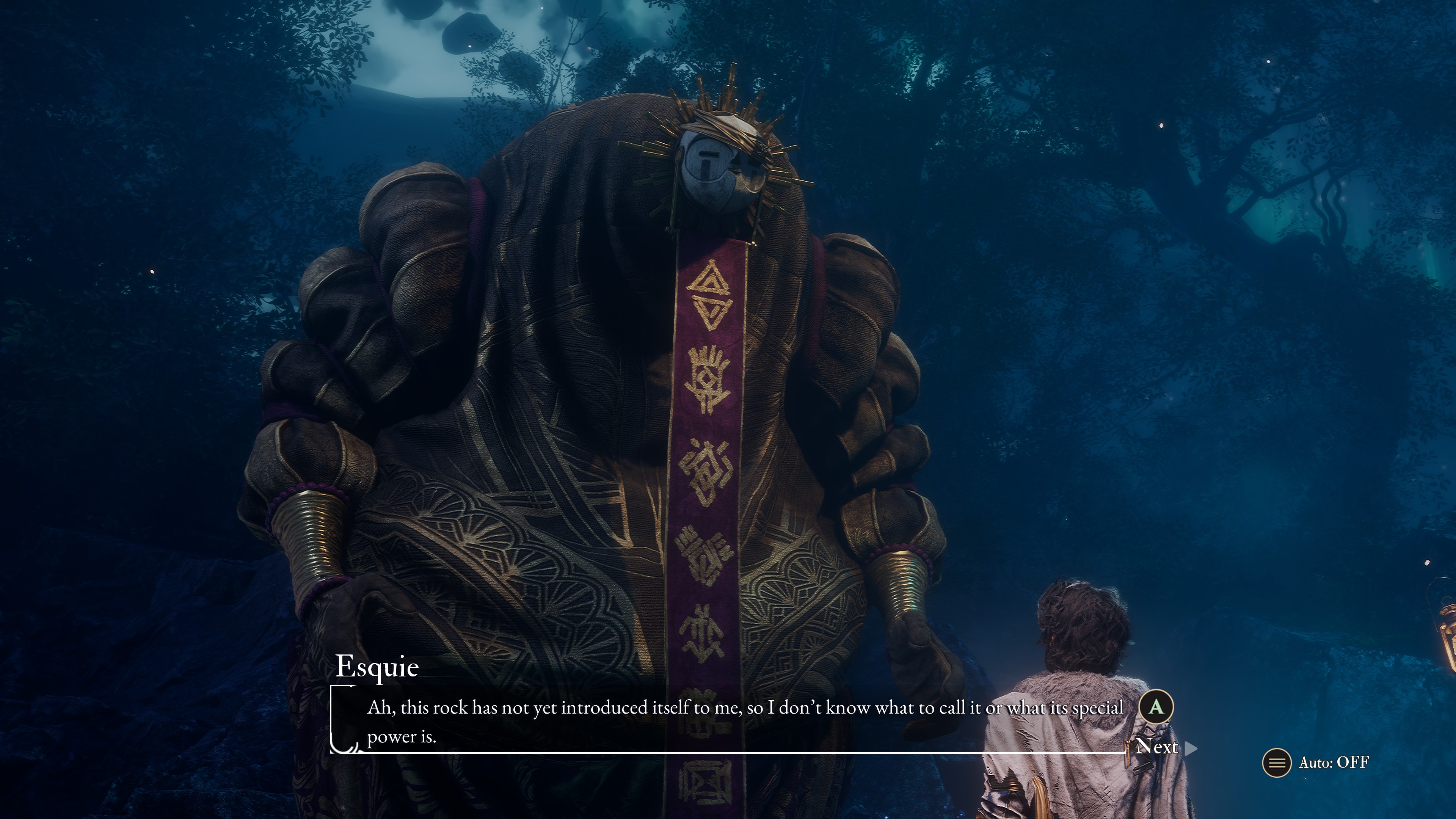
And the Game of the Year winner in 2020, Outer Wilds named all of its characters after rock and mineral types as they explored space. These are fun references that show a growing interest.
However, we need to go way bigger. We need to stop viewing video game media as toys and start viewing them as Social License Infrastructure and a recruitment pipeline. So how might we do that? Well, we have a bit of a blueprint from our friends in agriculture.
GIANTS Software and the Farming Simulator Series as a Concept
GIANTS Software are the developers of the wildly popular Farming Simulator Series. They have built a global empire making boring work aspirational. Started in the mid-2000s, GIANTS Software began as and unfunded independent publisher focused on developing superior strategy engines and games. The first several iterations of Farming Simulator were published by third parties, but by 2021 they had gone fully independent. Their independence not only was driven by their model, but also ensures they maintain control over this ecosystem in the future.
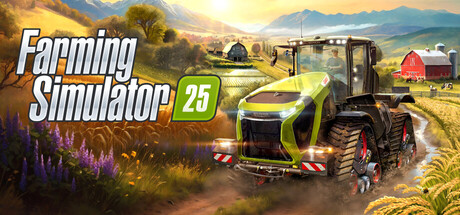
The game sheds light on and promotes the ultra-detailed minutiae of farming and agricultural engineering and optimization. It considers land holdings, soil types, topography, crop and livestock optimization, weather, capital expenditures and equipment purchases, and countless other parameters for players to consider when developing a winning farming operation.
This strategic style and detailed management skillset is prized in the gaming community and the industry has developed entire strategy genre to support it, even branching into specific real time strategy, turn based strategy, management, and other sub genres. However, many competing strategy games focus on fantasy worlds or historical settings. Farming Simulator’s strength lies not in its ability to transport players to different worlds and time periods, but in its detail and realism.
For example, GIANTS’ partnerships with Original Equipment Manufacturers (OEMs) like John Deere, Case IH and many others has been a masterstroke in marketing for all parties. Through these partnerships, OEMs and suppliers provide detailed but non-proprietary computer assisted design (CAD) drawings of popular pieces of equipment and products. These designs and their implementation into the game simulator have real impacts on how a farm operates in-game.
This creates the hyper-realistic experiences gamers love and provides a brand showcase and “virtual showroom” for OEMs, all while building system familiarity, vocabulary, and understanding for gamers. Farming Simulator capitalizes on this gaming style perfectly. The results?
- Over 25 million console copies sold,
- nearly 10 million active players annually (many whom are farmers testing equipment or new methods)
- Over $180 million in revenue over its 15 year run.
- Partnerships with over 75 agricultural OEMs and suppliers
This ecosystem that highlights realism, partnerships, and integration into the real-world industry is having real-world effects. Agricultural colleges are reporting increases in enrollment, with students citing Farming Simulator successes and knowledge gained in interviews. There have now been extensive research studies on the Precision Farming DLC spin out that focuses on an industry funded training program to measure improvements in data-driven decision making. These training modules are being deployed in local industry chapters to develop talent pipelines and technical literacy for long term industry stability.
Simply put, Farming Simulator hasn’t just improved awareness of the agricultural simulator, it has become an integrated change-maker and driver within the industry. Millions of kids now view precision agricultural management as a hobby and have built OEM brand loyalty, technical sector knowledge, and enthusiasm for the industry along the way.
Okay cool story Jack. How might a similar model look for the mining industry?
Mining Simulator in Practice
Well we already have the data infrastructure and general mine and process engineering understanding in the industry to provide the simulation logic. So working closely with a company like GIANTS Software to develop a strategy and physics engine for such a game is not a massive step. Working closely with the software developers to add in key domain and industry knowledge will help advance the simulation logic iterations quickly. In fact, there is a case to be made that a collaborative approach or partnership with a strategic engine building software firm like GIANTS could have accelerated the value-add and adoption of digital twins in the industry. But I digress.
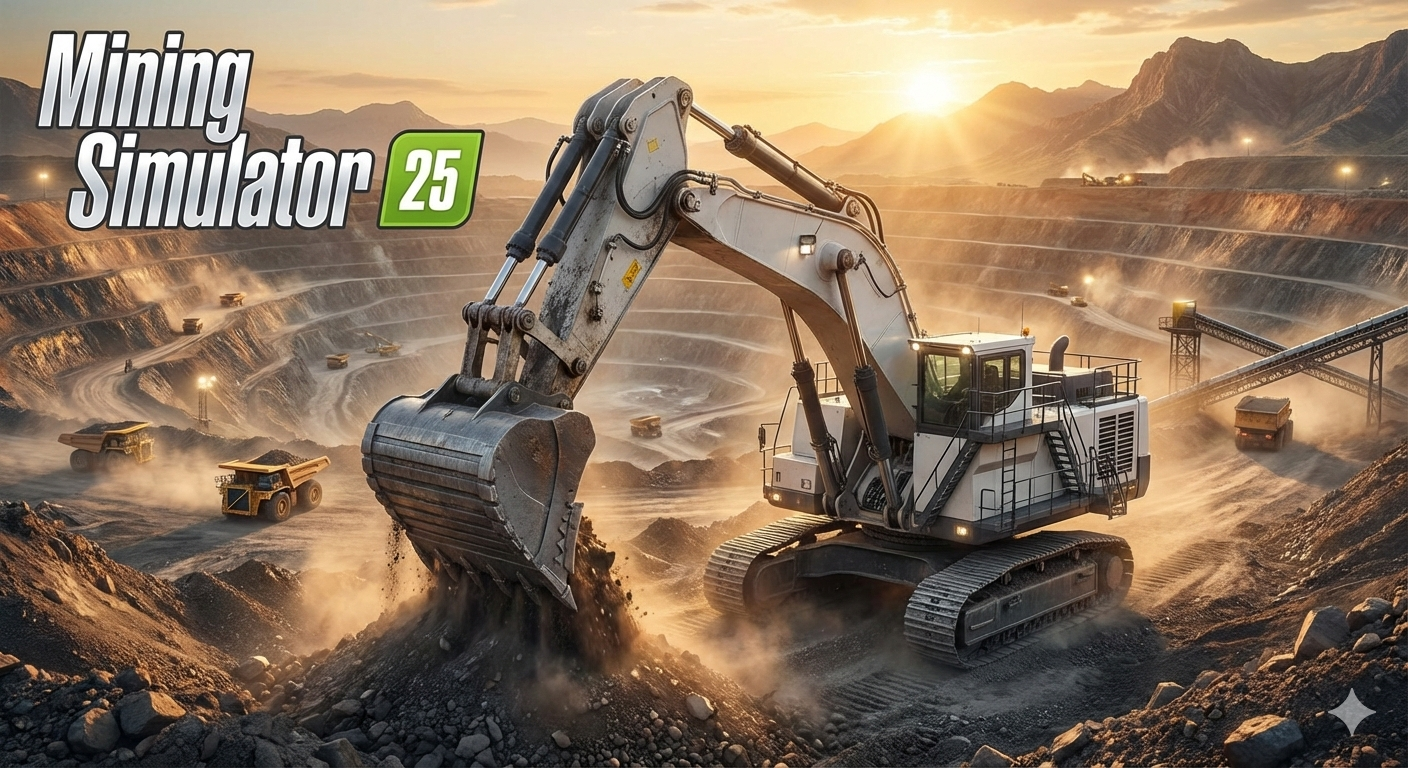
Start with exploration. Have players make decisions on buying vs purchasing drill rigs. How might this affect long term value or growth? Provide high level procedurally generated geologic models to demonstrate the industry’s reliance on this important parameter; akin to soil type in farming. Build out mechanisms for valuing the deposit and proving out the deposit to the market for more capital and project growth.
Include permitting game mechanisms to demonstrate the importance of stewardship and responsible mining practices. If one of the goals of this initiative is to garner better public understanding, we have to get this part right. More on this in the reclamation section.
Then players can get into the meat of the game. Have them learn how to optimize haulage, invest in and develop autonomous equipment and remote operations systems. We could even introduce the physics and geotechnical complexities of drill & blast and geotechnical stability. And here’s the beautiful bit. GIANTS’ work to build relationships and platforms for over 75 key agricultural equipment manufacturers shows the value of the model. They even have an official agricultural tire provider for the game series. Porting this over to the specialized equipment world of heavy civil and mining could take a similar form through OEMs like Caterpillar, Komatsu, and Sandvik. Integrating these simulators and even creating instances of equipment operation can be key training tools like those seen in Farming Simulator and being applied to the real-world industry.
Finally, the high stakes engineering and negotiations of reclamation. Building this aspect of modern mining is critical to ensure that the industry’s path toward a unified and progressive approach to this is maintained in the public view. This is where a fun crossover with Farming Simulator could come into play. Topography, soil type, erosion control, agronomics, and seed and species selection are key parameters for both Farming Simulation and mine reclamation.
Combining these aspects into a simulation game isn’t a small effort, but it doesn’t need to have the complexity of a true mining site or digital twin to provide massive value for the industry.
A Tangential Case Study: ViewPort VR and Rio Tinto
I would truly be curious to know the cost-benefit comparison of current HR, recruiting, and communications strategies against a consortium funded and approved approach to a strategic partnership with an entity like GIANTS to fund a mining-focused strategy engine and game development program.
There is some precedent here. Rio Tinto already proved the ROI: switching to virtual reality (VR) inductions slashed costs by 75% and induction time by 90%. Viewport and Rio developed a detailed case study on the 75% cost reduction ($1.2M down to $400k) It’s time to move that simulation out of the training room and into the hands of the public. If Rio Tinto can save $800,000 annually at a single site by moving inductions to VR, imagine the saved recruitment cost of an entire generation arriving at university already knowing how geology, stripping ratios, and blast fragmentation contribute to process yields.
Closing
Mining needs its Farming Simulator moment. We don’t need another Minecraft. We need an OEM-backed, high-fidelity ecosystem that showcases the reality of modern mining. This will not only benefit public perception and awareness, but can help develop an integrated and enthusiastic talent pipeline with OEM, supplier, and applied technical knowledge from childhood. So here’s the call to action: A consortium of mining majors and OEMs should fund the development of a mining video game alongside the expertise and proven success of a model similar to that proven by GIANTS Software. In the face of all the good Farming Simulator has done for the agricultural industry, anything less would be malpractice for the longevity of our industry.
 Finding Outskirts
Leave a comment