
Developing professional skills doesn’t always have to be a chore; or does it?
Sisu is a Finnish word and concept that has no direct English translation. Similar to other culturally unique ideas like the Japanese “ikigai”, Danish “lykke” or Chinese “wu wei”, sisu evokes a multitude of ideas in English, resulting in a loose translation of stoic determination, grit, tenacity, and a general hardiness when facing adversity.
This idea undoubtedly developed over centuries of harsh Scandinavian winters working an unforgiving land, and the cultural impacts of sisu have carried on today. I was first exposed to the idea by my father-in-law, whose Norwegian ancestry and upbringing around other Scandinavians in northern Minnesota have impacted him throughout his life.
Working with him to design and build a sauna, another Scandinavian cultural fixture, we often mentioned sisu as we overcame challenges throughout the process, ultimately resulting in us placing a “Sisu” sign in the changing area of the sauna.
Years later, I find myself not only designing my own sauna in a new home with a growing family, but building a career as a project management, natural resources, and mining industry professional. I’ve begun to realize as I move through these experiences that sisu is more prevalent in my life than ever, and there is much I can learn by applying it not only to my work life, but to home as well. For me, finding time in a home sauna for reflection and vetting new ideas and approaches is a great way to achieve sisu and maintain that elusive drive.
Sisu in Design
I approached the design and construction of our sauna the same way I approach many projects in my career. It’s a skill I’ve been developing for awhile, so why not bring the principles of design, cost and schedule controls, and sound construction execution to a home project?
Environmental geology is always going to be the major site specific factor in project design. On its face, this principle seems like it may only apply to mining projects, but I’m finding more and more as I expand my project experience that this can be said for any type of construction project.
Sure, in a mineral exploration or development project, the geology of the project area is going to be the primary design criteria driver due to mineralogy and geochemistry. But the impacts of geology expand into non-mineral projects as well. For example, in developing our ranch property near Palisade, Colorado (more on this later) the sudden change in topography from terraced Colorado river floodplain to mesa landforms dictate how and what types of structures we design and where to construct them. The presence of float comprised of basaltic lava flows from the cap of the Grand Mesa also creates considerations for earthmoving equipment selection and eventual opportunities for utilizing this resource. The importance of geology here is further highlighted by the use of these basalt boulders in the foundation of a historic building on site (Still discerning the exact history of this structure. Again, more on this later.) Even historic farmers and ranchers understood the importance of geology on their operation. Not just for soil type and the type of operation it could support (crop vs livestock) but building stone foundations for their projects from material onsite.
The same can be said for a residential, commercial, or industrial construction project today. Significant attention must be paid to geotechnical stability of the site to inform construction techniques, foundation and footing depths, storm water control, environmental impacts and a host of other project considerations. These project variables are all driven by site-specific geology.
Our Sauna project was no different. Our location in the Wasatch mountains of North Central Utah dictated some geologic challenges. Grade excavation was limited due to large boulders present in the subgrade from subsurface bedrock. We also had to consider the presence of our primary propane line in the footprint of the project.
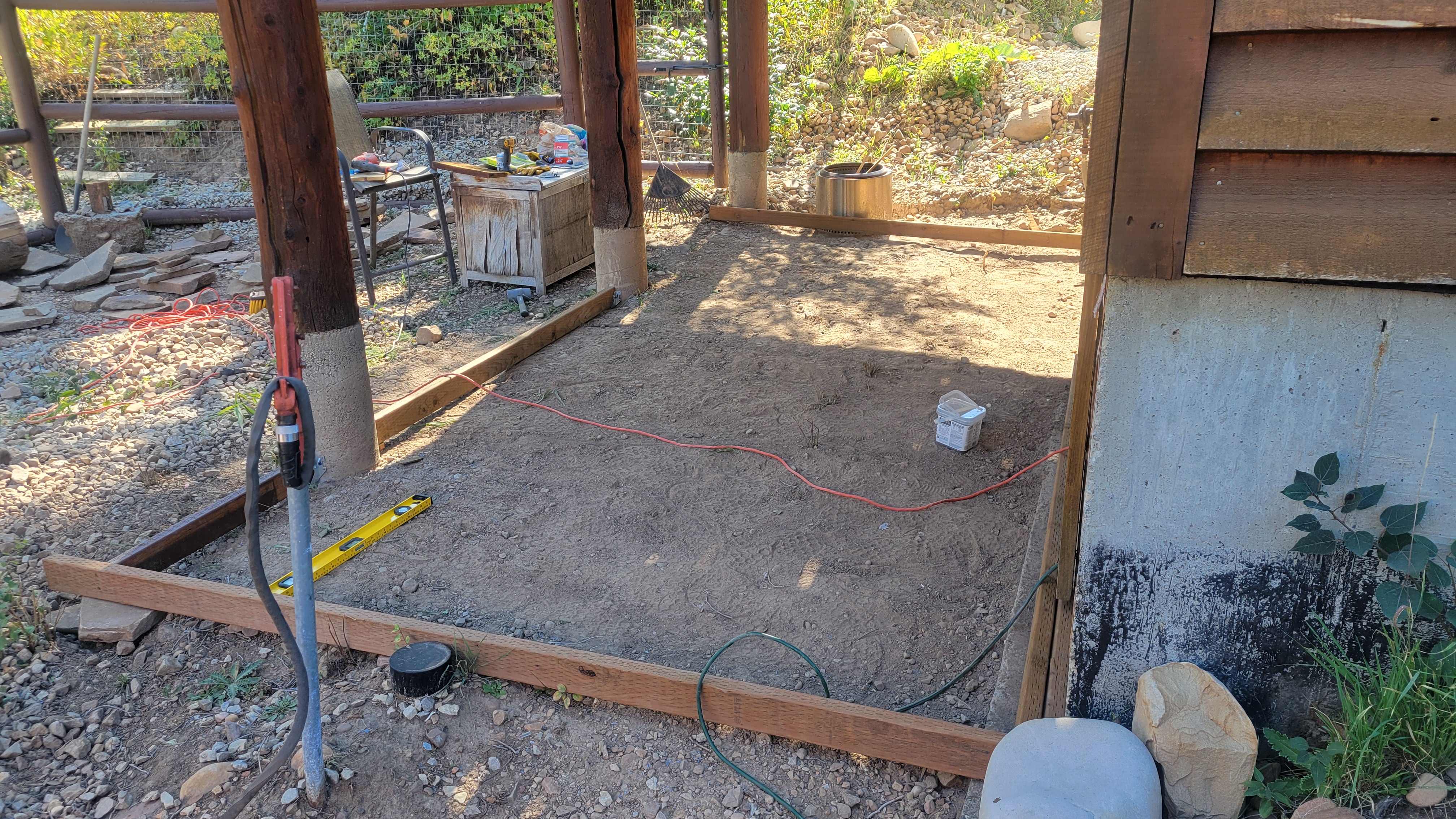
In addition, the site location under the deck resulted in a need for a sloped water shedding design. Finally, there was the sauna room itself. Design criteria were sourced with significant input from Trumpkin’s notes on a sauna build. So big thanks and shout-out to Trumpkin for providing that resource. There was a focus on ensuring the room would not be too large, so a changing room was added to half of the site footprint. This will eventually become an enclosed three season screen porch.

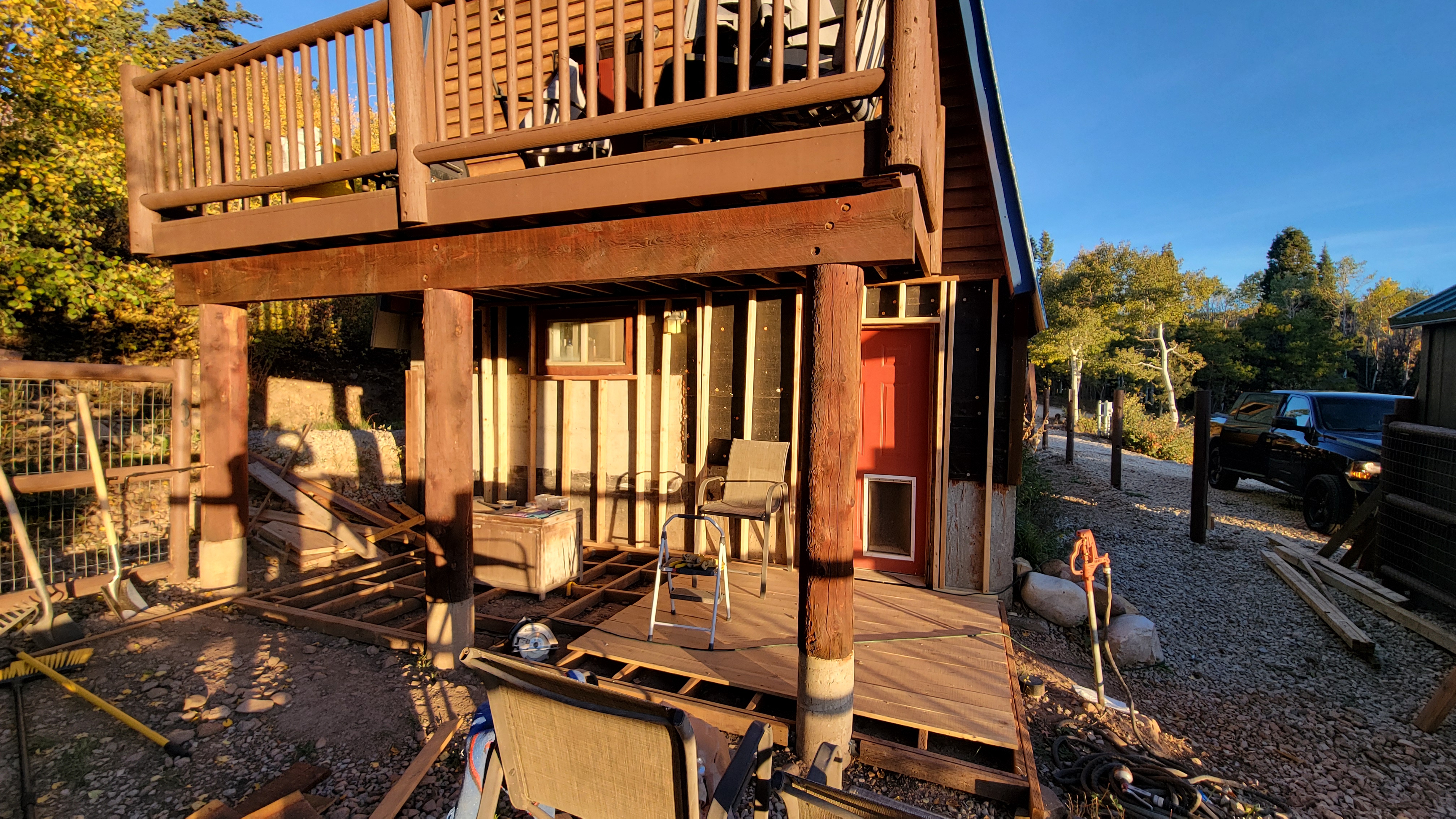
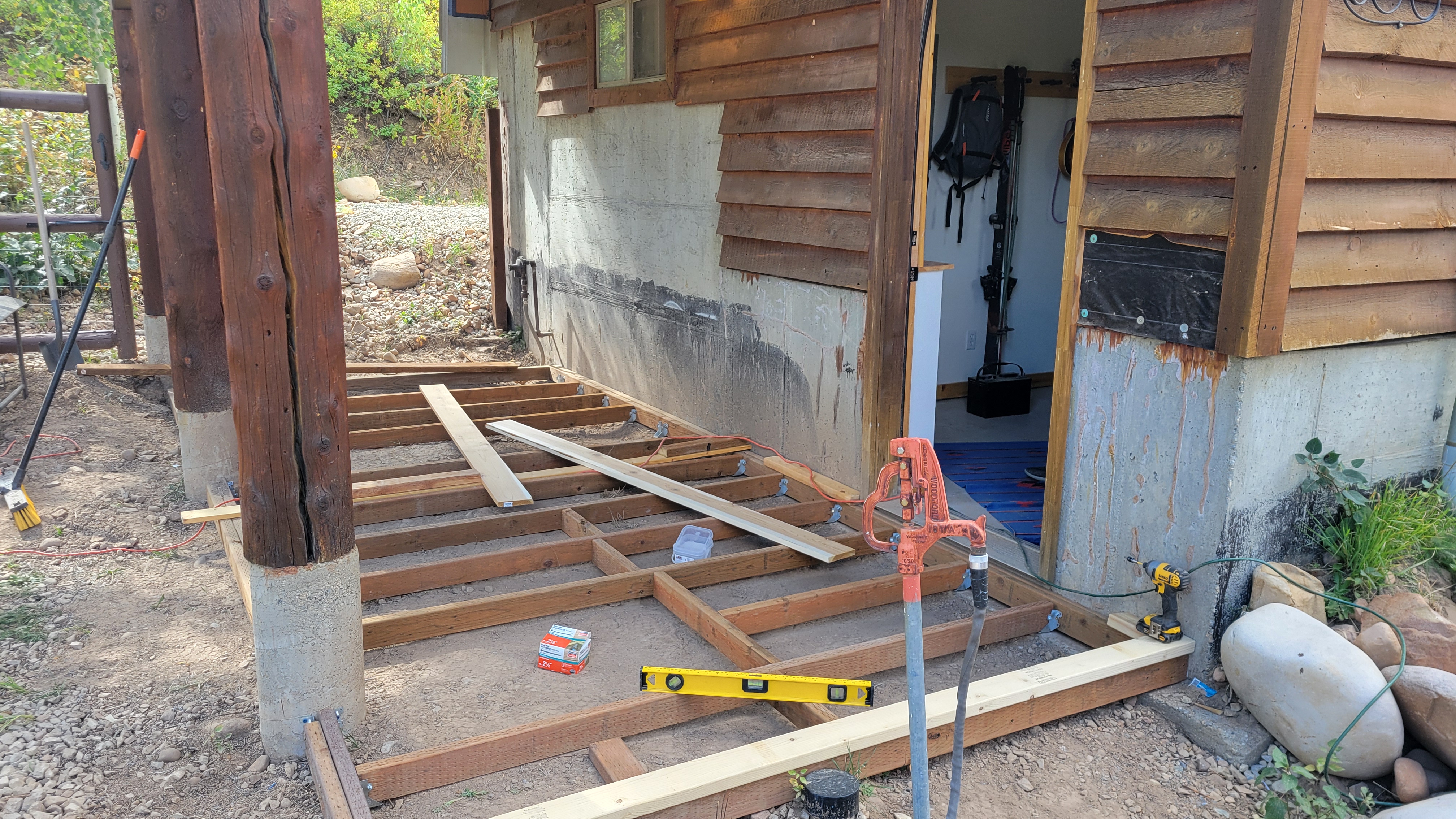
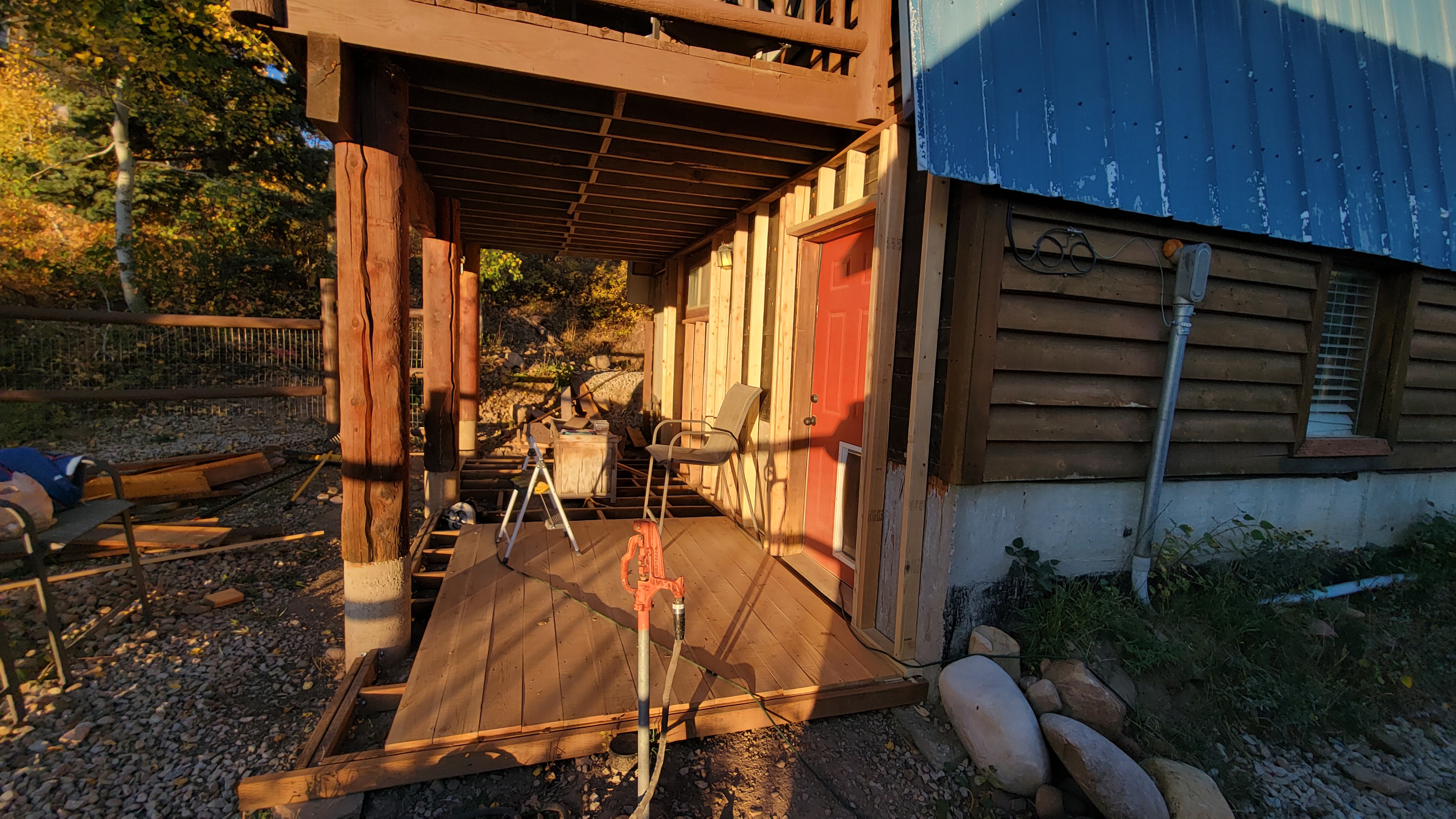
Challenges from location, geology, weather considerations, and general sauna thermodynamics resulted in a lengthy design phase that often felt endless. Pair this with a looming winter full of snow load and my deadline quickly materialized. Finding a determined and focused sisu to persevere through design changes and iterations was imperative. During this part of the process, I was lucky to have another friend building a sauna at the same time, and my father in law to bounce photos and ideas off of. Consultation is critical when trying to work through design. This process also shed light on design iteration fatigue, scope creep, and other issues in professional project management that are all too common. Knowing where design battery limits are and why they are in place ensures limits on design iterations and design iteration fatigue. Nothing will kill sisu faster than paralysis by analysis. Finding sisu requires finding steady and consistent progress.
Sisu in Execution
Knowing and Trusting the Design
The design phase is an opportunity for a ton of iteration and scenario building. I like to call it the “what if” phase. Eventually this phase ends though, either through iteration fatigue, project schedules, or group inertia, and we have to freeze a design and execute. Knowing and trusting the design and the process that went into it is key to finding sisu. Remembering why we made a design decision can help us cope with inevitable issues that will arise during execution.
Once the design is in place, there is the matter of procurement. Often I try my best to avoid budget and quality tradeoffs during the procurement phase of projects by ensuring the design criteria and original cost estimates are in line with the expectations of quality. For example, if I’m designing a system that requires a pump, there’s a million pumps on the market. More often than not however, the design criteria will whittle down my choices (pressure, energy, and gpm requirements) and then my owner’s preferences (brand loyalty, spare and maintenance redundancy etc.) will further cull the list. The preference for Pump A and it’s continuity with spare parts will get worked into my cost estimate, and the odds I go with a lower cost Pump B are slim.
In the case of the sauna, the design phase featured several tradeoffs I had to grapple with. We have a pellet stove to heat the house. Do I get a new primary heater and move the old one down to act as the sauna stove? Do I go with an electric? If so what type of controller? We landed on electric and utilized a minimal dial control setup. It’s worked great so far.
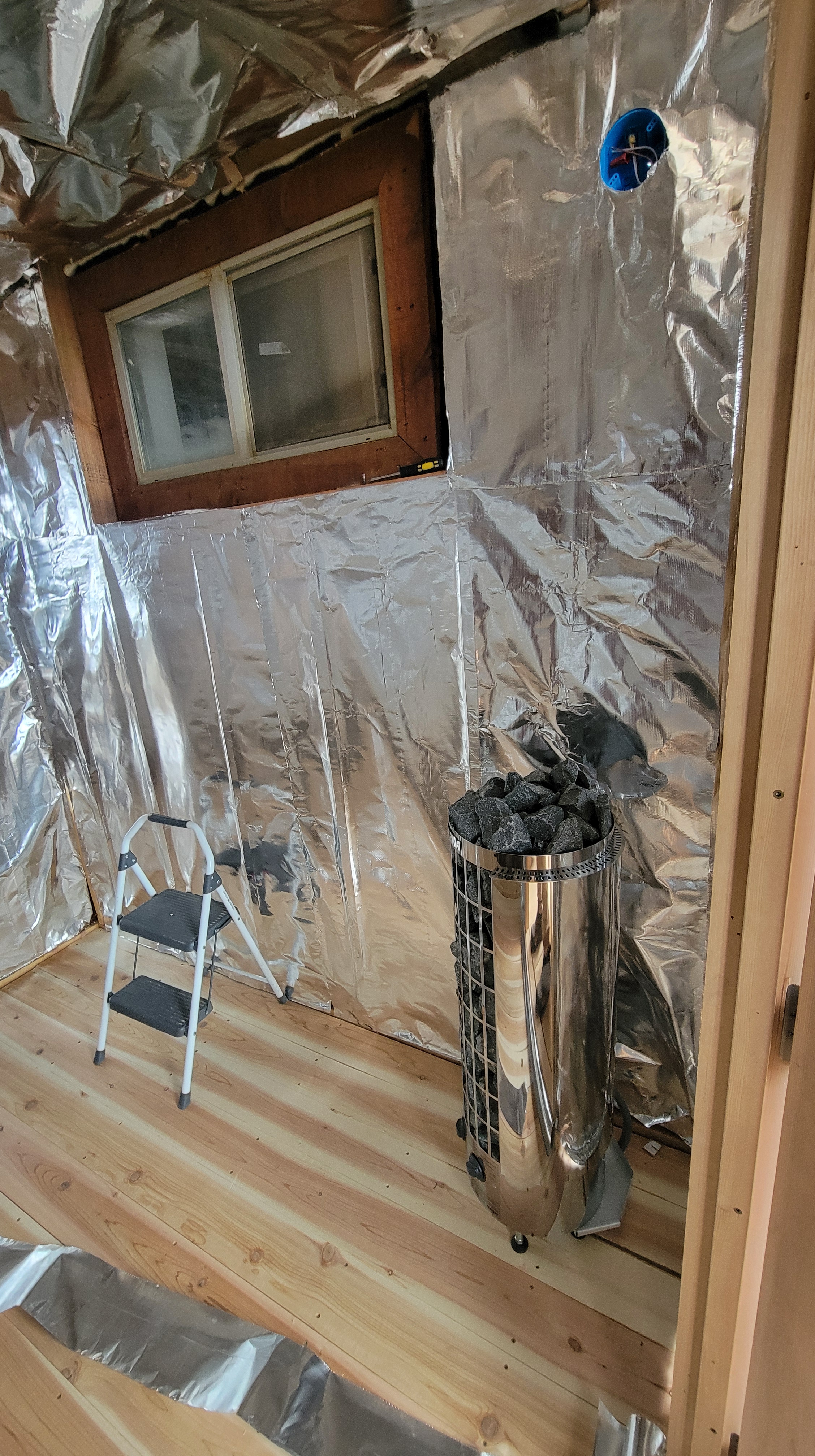
Once executing however, many of the material types had already been selected, so there weren’t major opportunities for value procurement. However, I did get lucky a few times when purchasing floorboards at Home Depot. When searching for a standard pine 1×6×8, the store routinely stocked it, but it was located up on a pallet somewhere and not on the sales floor. Both times I attempted to locate the product with a store representative, they offered to price match the same dimension cedar wood floorboard. Score! But not something I can count on every time.

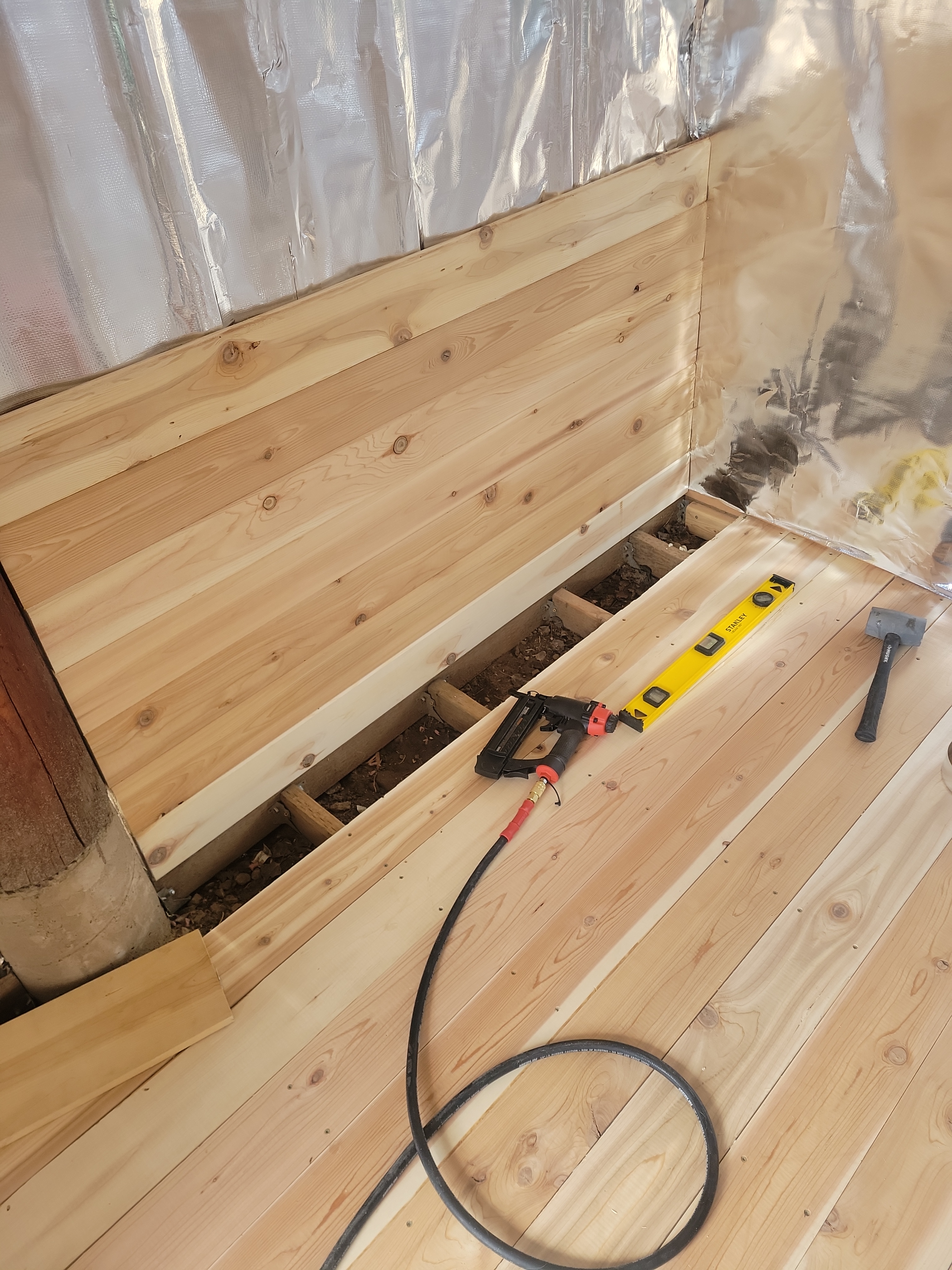
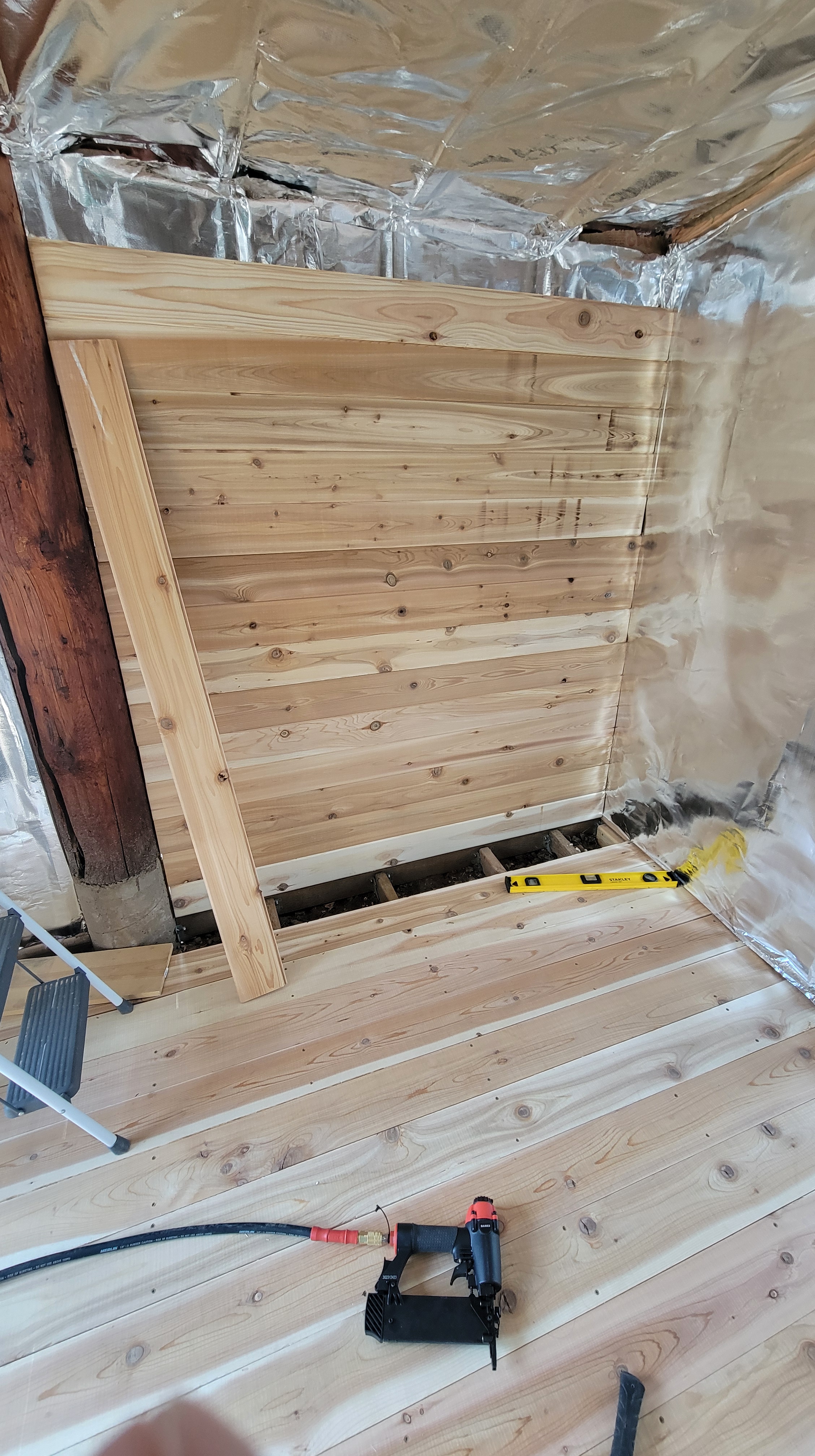
Knowing and trusting that the design will lead you in the right direction during execution is important, but only insofar as the execution team trusts in the design process! Knowing the project execution team is one of the most important aspects of finding sisu and success in project management.
Knowing Thyself and thy Limits
Project adversity most often presents itself during the execution phase. Understanding when adversity will become insurmountable in your or your team’s current form is key to knowing thyself and finding sisu. Addressing these shortcomings can take two forms: seeking outside help (if the budget allows) and upskilling (if the schedule allows). Identifying these shortcomings during the design phase is particularly helpful, because it allows the project team to account for and budget third party help or upskilling.
During the sauna build, after identifying that an electric stove was the preferred heat source, I recognized my inability to wire in the 240v appliance directly to the panel. In addition, there were some switch and fixture upgrades and a bit of value engineering (moving the dryer closer to this 240v hookup) that were within the scope. I procured a qualified electrician for this part of the job, and was happy I did. I likely saved myself mountains of headache and weeks of schedule. In addition, even if I could have found the ability to complete the work myself, the codes and permits required to execute this work or sign off on my own work is way out of my understanding.
Often in natural resources projects, the interdisciplinary nature of the work dictates that many different competencies will be required. Does my team have specific metallurgical or biological expertise required to move this project forward? If so, can they even sign off on their own work? Finding and relying on outside help is a driver of project success.
Maintaining Sisu
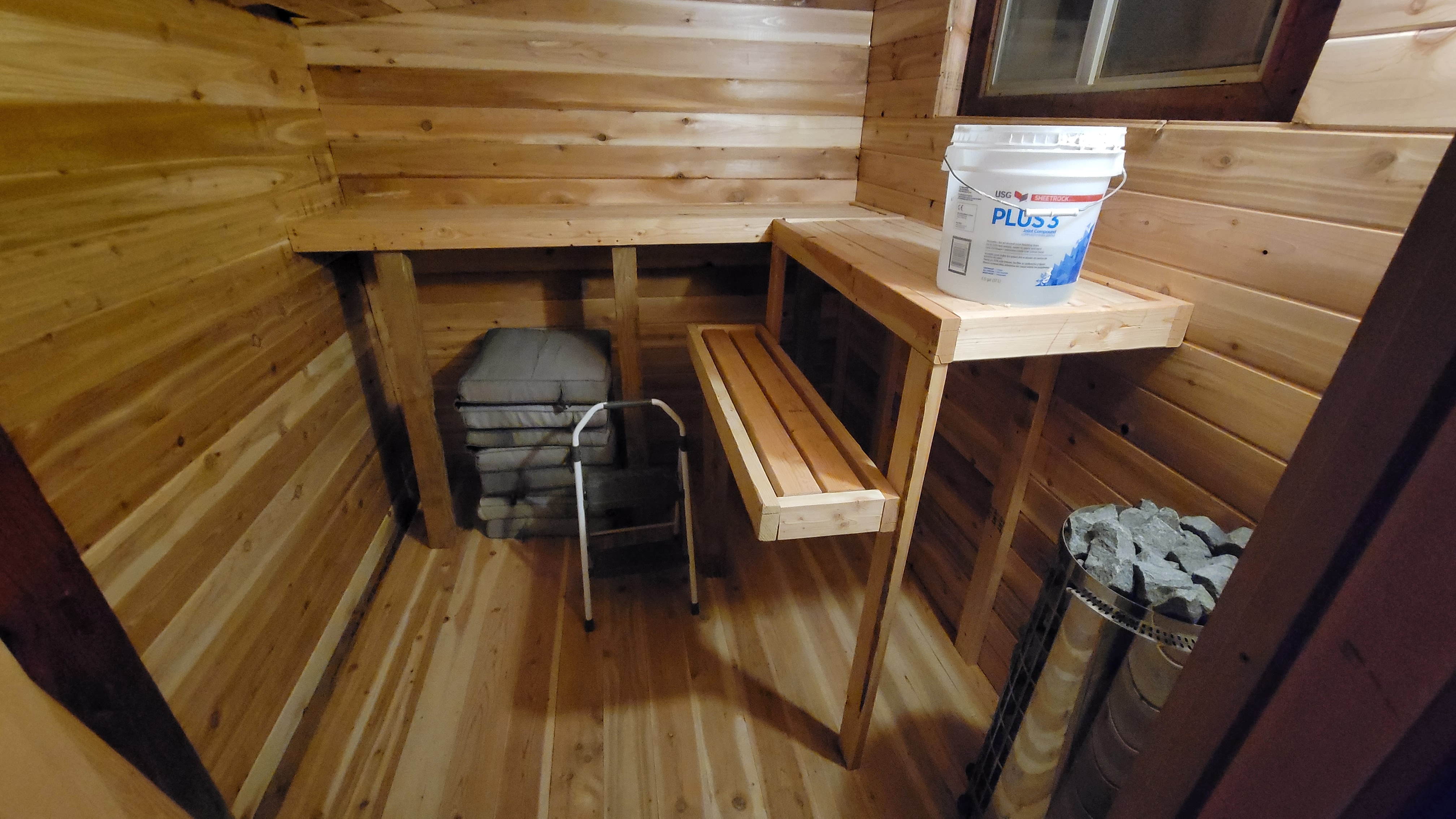
As mentioned above, finding sisu is reliant on finding steady and consistent progress. Maintaining sisu is no different. I’m not quite finished with my sauna build. I have a few finishing touches, additional shelves, and some paneling to installing areas. We’ll call this the commissioning and closeout stage. The punch list. Finding time and motivation to knock these items off one by one will be my focus in maintaining sisu.
In projects, turning over the finished product to operations and maintenance teams can be daunting, and moving onto the next project while worrying about the previous can really mess up flow and sisu. Developing and providing a great O&M plan to your project owner is a great way to review work, find lessons learned, take those into the next project, or even find a few new improvement scope items for the next phase of the project is a great finish to keep the sisu rolling.
Finding and maintaining sisu in work and home life is a challenge. And that’s the point. Revel in the difficulty of it. Contemplating how to continue finding sisu is one of the best parts of sisu. And now I’ve got a sauna to do it in.
 Finding Outskirts
Leave a comment